
measure ROI in B2B network marketing
How do you measure ROI in B2B network marketing? This question is critical for businesses aiming to understand the effectiveness of their networking efforts and justify the resources invested in building and maintaining professional relationships. Unlike traditional marketing campaigns, measuring return on investment (ROI) in b2b network marketing can be more complex due to the intangible nature of relationships and the long sales cycles often involved. However, by combining qualitative and quantitative metrics, companies can gain a clear picture of how their network marketing initiatives contribute to business growth.
The first step in measuring ROI in b2b network marketing is to establish clear goals and key performance indicators (KPIs). These objectives might include generating qualified leads, increasing the number of strategic partnerships, improving brand awareness among target businesses, or boosting sales from referrals. Without defined goals, it becomes difficult to assess the impact of your efforts. Setting measurable KPIs allows companies to track progress and attribute results directly to their b2b network marketing activities.
One of the most straightforward metrics to measure ROI in b2b network marketing is lead generation and conversion rates. By tracking how many leads originate from networking events, referrals, or online business networks, companies can determine the volume of potential clients introduced through their network. More importantly, analyzing conversion rates—how many of those leads become paying customers—helps assess the quality and value of those connections. This data provides insight into the efficiency of b2b network marketing in driving actual sales.
Revenue growth attributed to network marketing efforts is another key factor in calculating ROI. Companies can track sales deals that result from referrals or collaborations within their business network. This requires careful documentation and communication with sales teams to identify the origin of each deal. By comparing the revenue generated from b2b network marketing initiatives to the costs involved—such as attending trade shows, membership fees for professional groups, or investments in networking platforms—businesses can calculate a financial return on their investment.
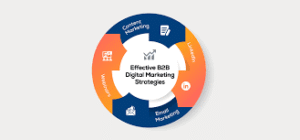
How do you measure ROI in B2B network marketing?
Measuring engagement and relationship strength is also important in evaluating b2b network marketing ROI. Although these aspects are more qualitative, they have a direct impact on long-term success. Tools like Customer Relationship Management (CRM) software can help monitor the frequency and quality of interactions with network contacts. Tracking metrics such as meeting frequency, response times, and collaborative projects provides insight into how actively and effectively businesses are nurturing their relationships. Strong, engaged partnerships tend to lead to repeat business and referrals, which contribute to future ROI.
Brand visibility and reputation within the target market are additional indicators of b2b network marketing success. Increased recognition among industry peers and potential clients can lead to more inbound inquiries and partnership opportunities. Companies often measure this through surveys, social media analytics, website traffic, and mentions in industry publications. While harder to quantify directly in financial terms, these factors enhance overall market positioning and indirectly contribute to revenue growth.
Cost efficiency is another aspect to consider when measuring ROI in b2b network marketing. Comparing the expenses of network marketing activities with other marketing channels can reveal whether these efforts provide better value for money. For example, referrals generated through trusted networks often have lower acquisition costs compared to paid advertising. Tracking and optimizing these costs helps ensure that network marketing budgets are used effectively.
Finally, it is important to recognize that ROI in b2b network marketing is often realized over a longer time frame than in other marketing methods. Patience and continuous monitoring are essential, as relationships and trust take time to develop. Regularly reviewing performance data, refining strategies, and adapting to market changes will improve ROI over time.
In conclusion, how do you measure ROI in b2b network marketing? It involves setting clear goals, tracking leads and conversions, analyzing revenue growth, monitoring relationship engagement, assessing brand visibility, evaluating cost efficiency, and maintaining a long-term perspective. By using a combination of quantitative data and qualitative insights, businesses can accurately assess the impact of their b2b network marketing efforts and make informed decisions to enhance their strategies and drive sustainable growth.
